Homer’s Ithaca, Rediscovered

About

In Search of Odysseus and his home of Ithaca

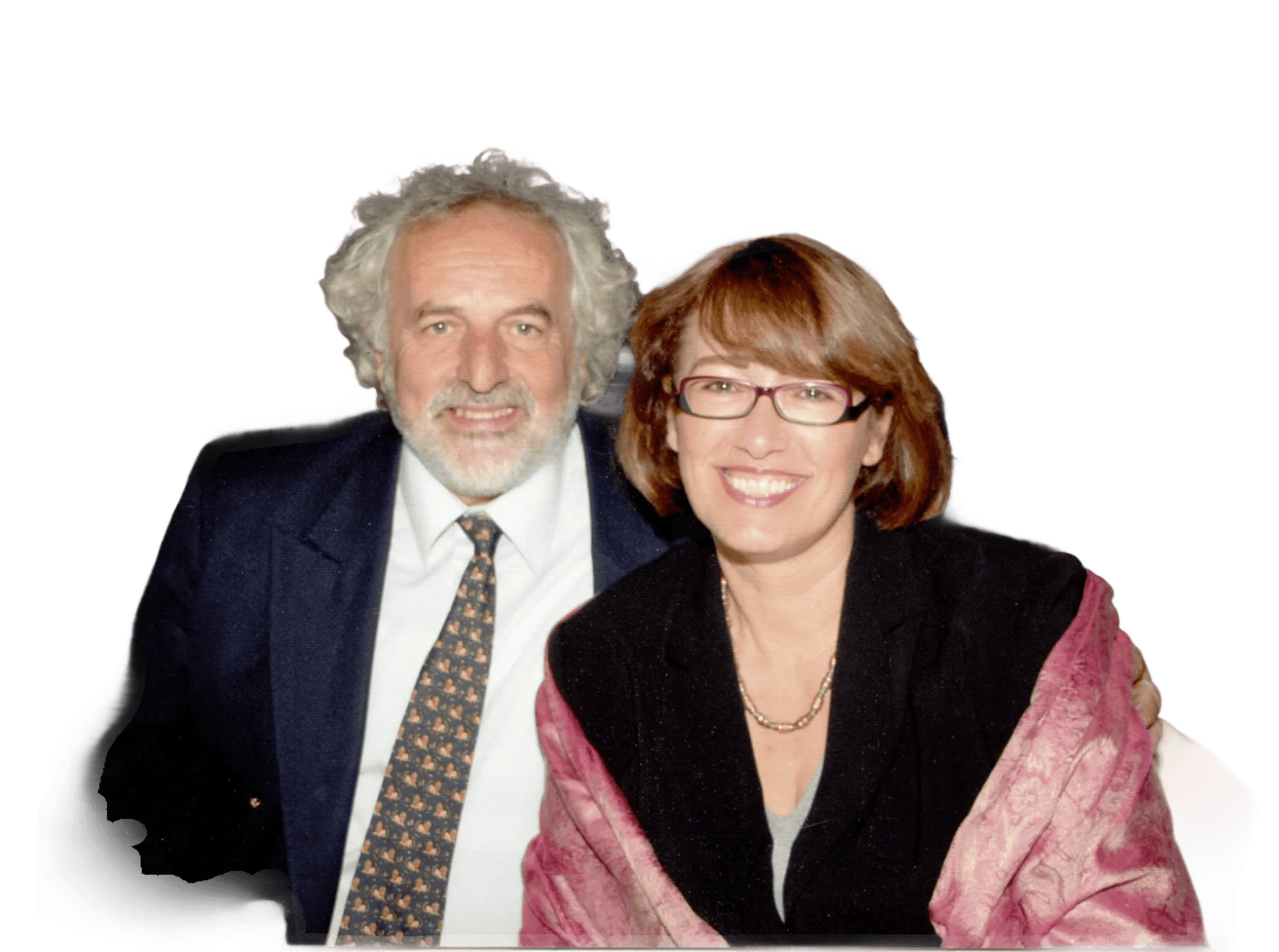
Explore the ongoing search for Odysseus’s true legacy in Kefalonia, where Maki and Hettie's quest turns legend into living debate.

Explore the ongoing search for Odysseus’s true legacy in Kefalonia, where Maki and Hettie's quest turns legend into living debate.

History

Unravelling Homer’s Ithaca Myth, Memory, and Place

Exploring the Mystery Behind Odysseus’ Legendary Homeland

The Epic Journey

In the 8th century BC, Homer wrote the Odyssey, but the epic’s events are set around 1200 BC after the Trojan War, following Odysseus’ ten-year journey home to Ithaca.

Archaeological Evidence

Finds like Troy, Mycenae, and the Linear B tablets suggest Homer’s stories were based on real places and events, with digs at sites such as Tiryns supporting this link.

Oral Tradition

Homer’s epics are believed to be rooted in historical memory, passed down through generations before being written in the 8th century BC. This means the stories may preserve details from real events, even if mythologized.

Scholarly Debate

For centuries, scholars have debated which Greek locations match those described in the Odyssey. While many real islands and cities fit the geography, no significant settlement has been found that confirms the true Ithaca, which remains undiscovered.

The Epic Journey

In the 8th century BC, Homer wrote the Odyssey, but the epic’s events are set around 1200 BC after the Trojan War, following Odysseus’ ten-year journey home to Ithaca.

Archaeological Evidence

Finds like Troy, Mycenae, and the Linear B tablets suggest Homer’s stories were based on real places and events, with digs at sites such as Tiryns supporting this link.

Oral Tradition

Homer’s epics are believed to be rooted in historical memory, passed down through generations before being written in the 8th century BC. This means the stories may preserve details from real events, even if mythologized.

Scholarly Debate

For centuries, scholars have debated which Greek locations match those described in the Odyssey. While many real islands and cities fit the geography, no significant settlement has been found that confirms the true Ithaca, which remains undiscovered.

Discovery

Uncovering The Royal Tholos Tomb of Tzannata

Tracing clues that point to a Mycenaean capital beneath Kefalonia’s soil
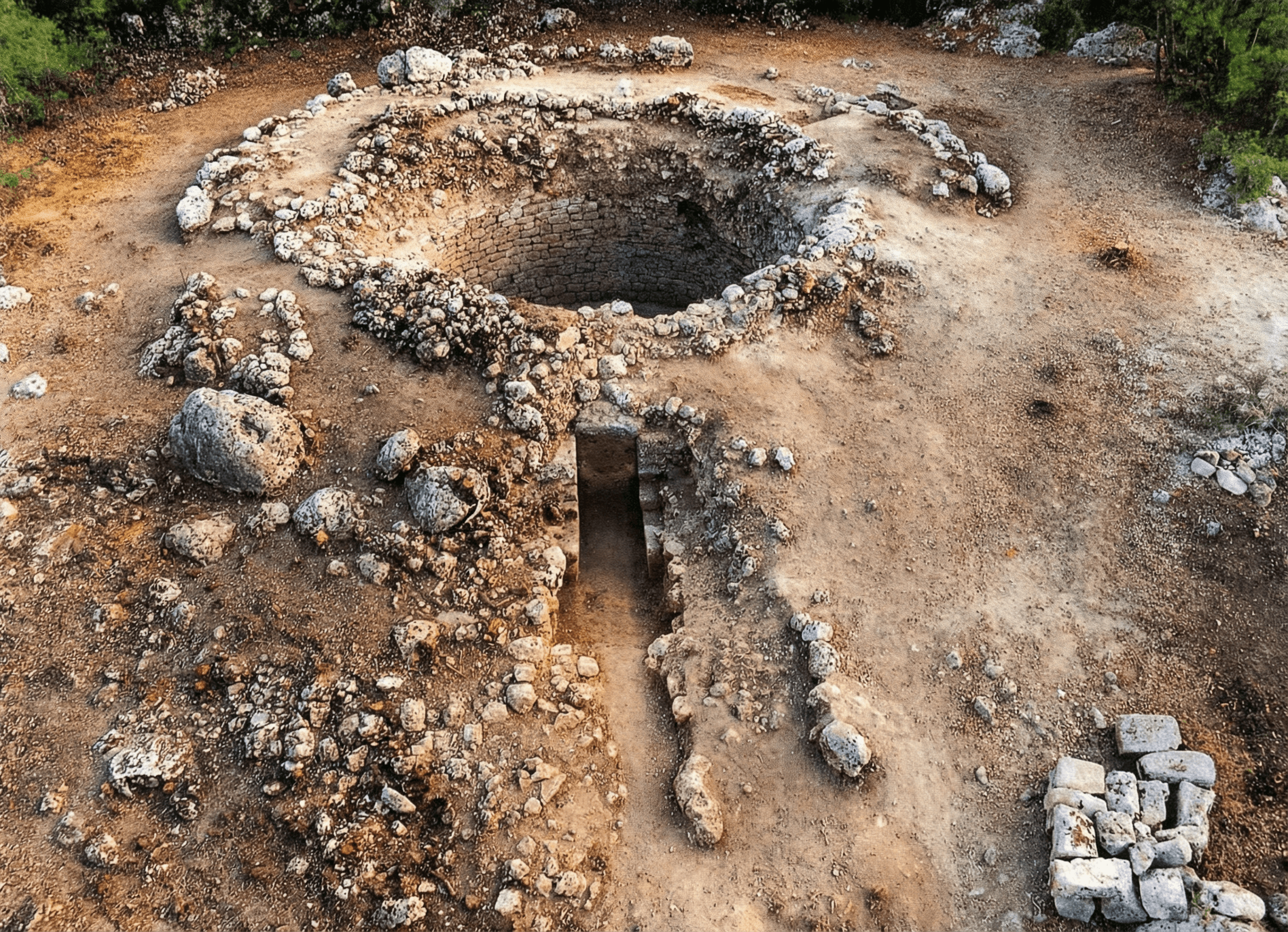
A Major Discovery

In August 1991, a Royal Tholos Tomb was found in Tzannata, Kefalonia. It is the largest Mycenaean tomb in northwestern Greece and an important archaeological site.
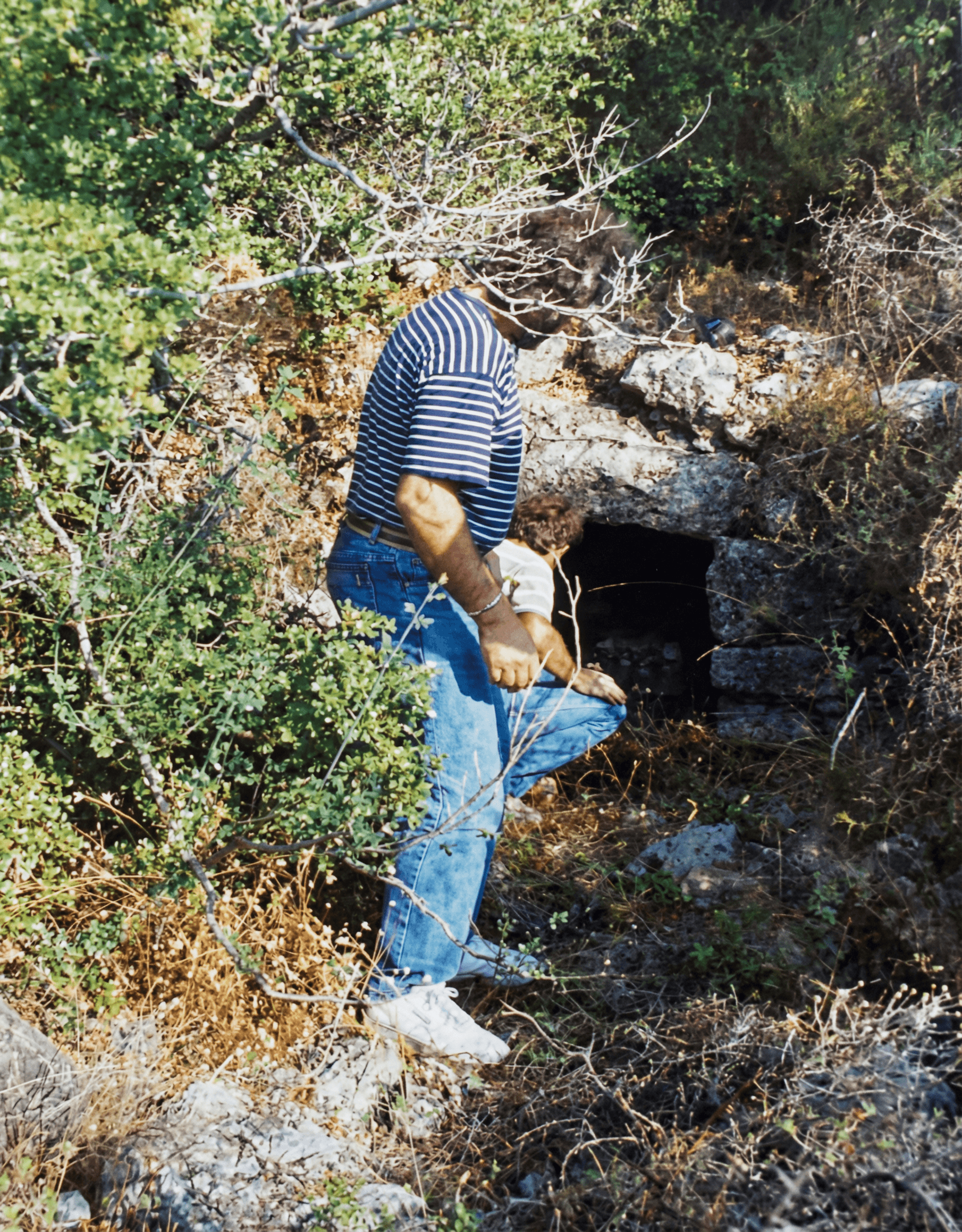
Geography and the Odyssey

Research by Makis Metaxas and his team shows that many locations described in Homer’s Odyssey match features of Kefalonia, lending weight to the idea that this island could be Homeric Ithaca.
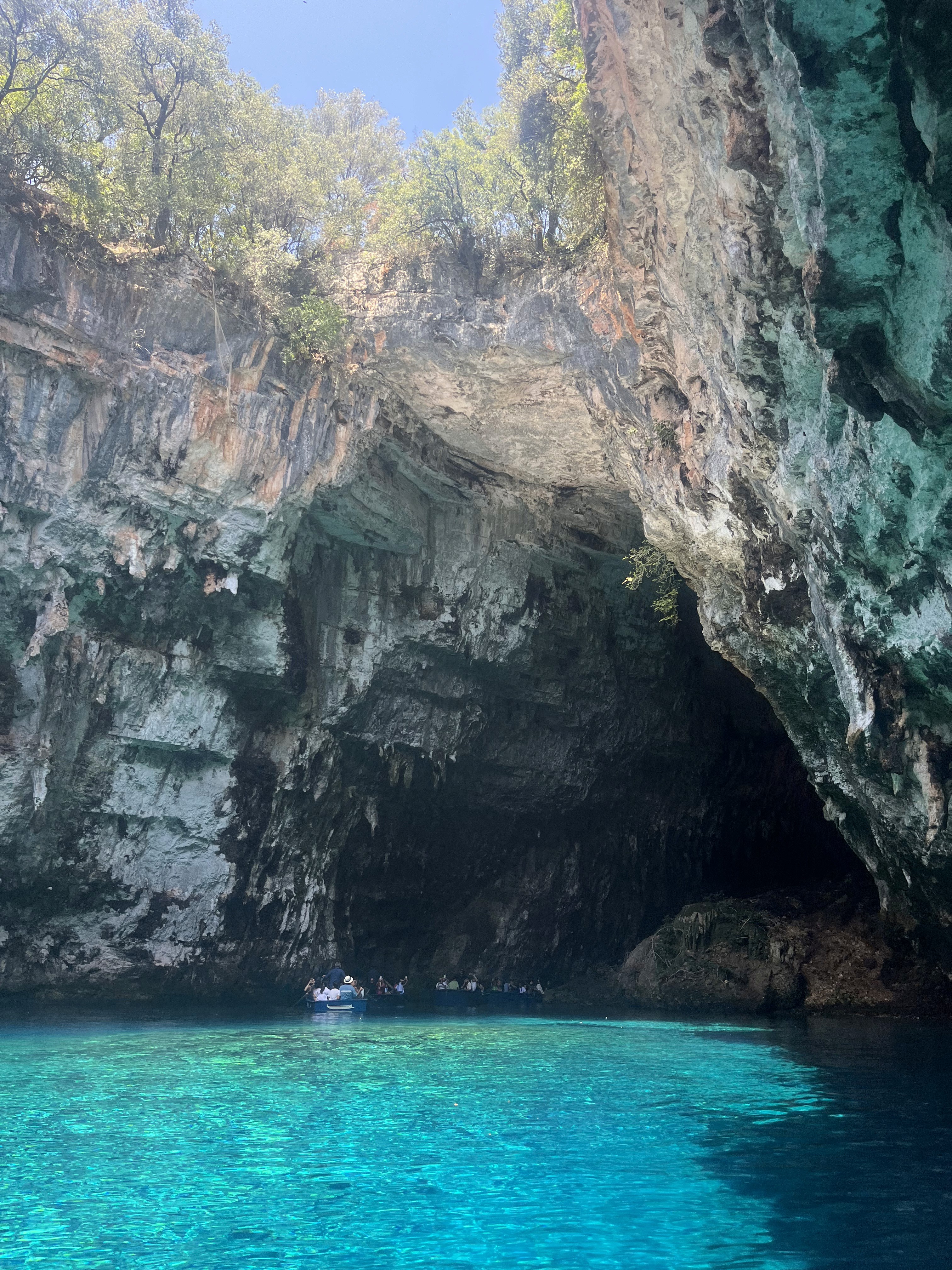
Piecing Together the Past

Over centuries, shifting island names and evolving oral traditions have obscured Homer’s original geography. This project shares research and discoveries aimed at revealing the true Ithaca and advocating for the protection of its historic sites.

Explore the ongoing search for Odysseus’s true legacy in Kefalonia, where Makis Metaxas’s quest turns legend into living debate.

Explore the ongoing search for Odysseus’s true legacy in Kefalonia, where Makis Metaxas’s quest turns legend into living debate.

Geography

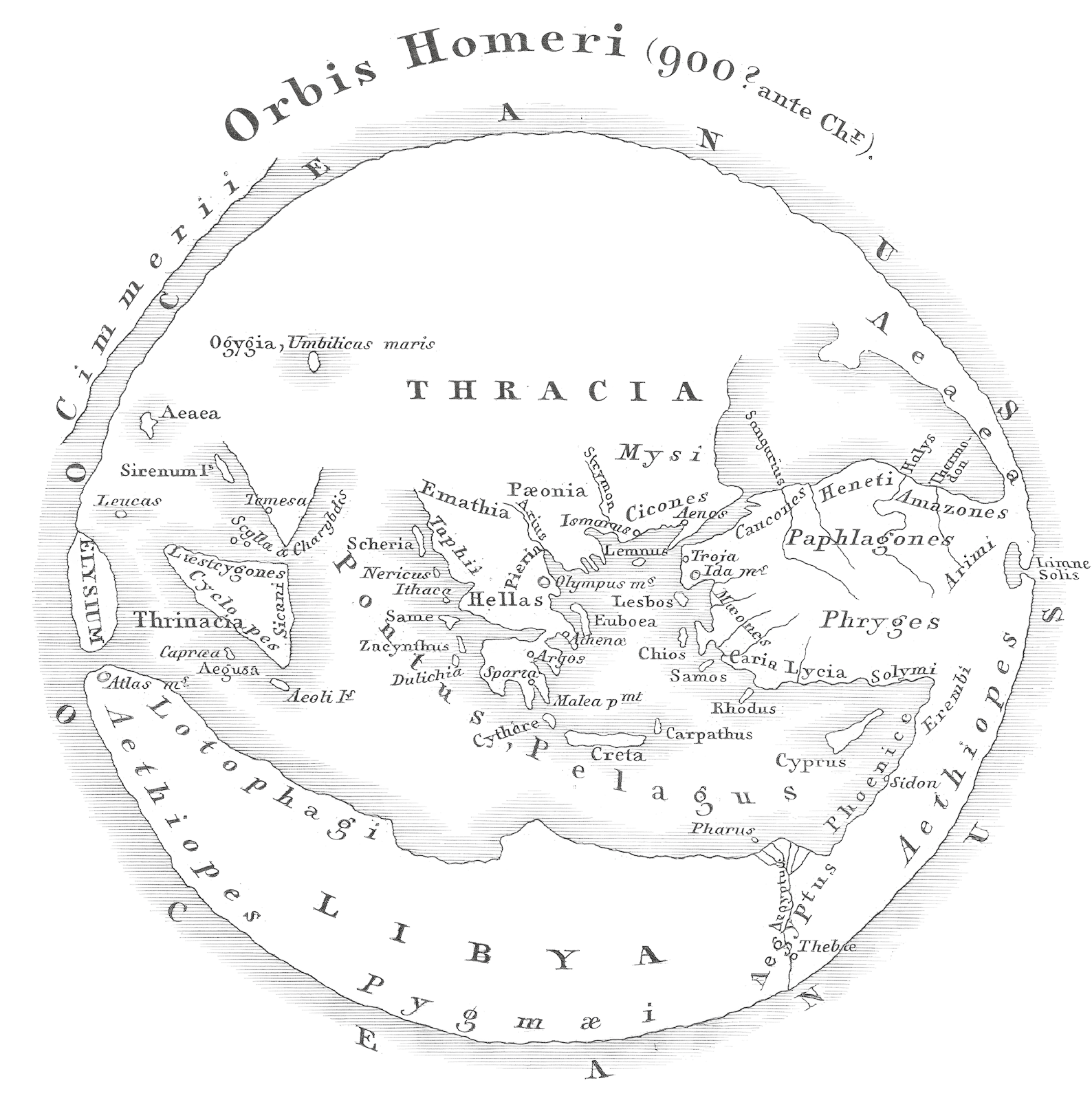
Mapping Homer’s World

Trace the Iliad and Odyssey locations to modern Greece, anchored in the Kefalonia thesis
Evidence

The Sites

Discover the tombs, settlements, and artifacts emerging from Kefalonia's soil that give voice to the epic

News & Stories

The Latest

Fresh discoveries, bold theories, and ongoing discussions across Homer’s Ithaca

Loading posts...

Faq

Take a Deep Dive

Learn, watch, and participate: discover the evidence, view the documentary, and amplify the message.
Coming Soon

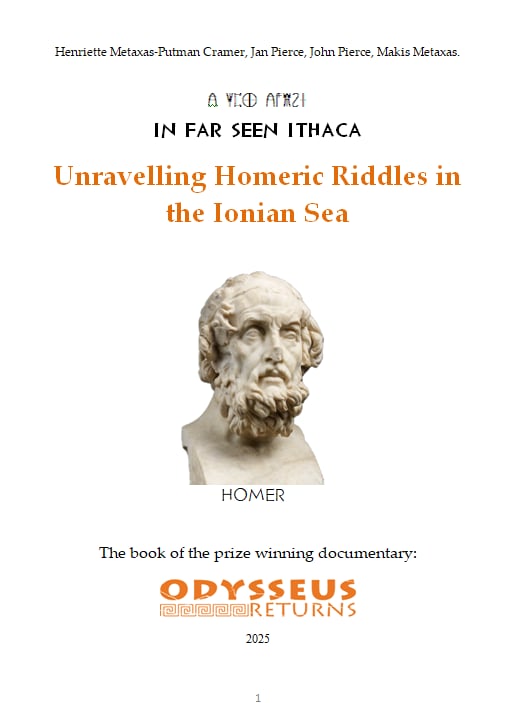
Buy The Book

Odysseus research book available in print and digital, in Greek and English.
Out Now

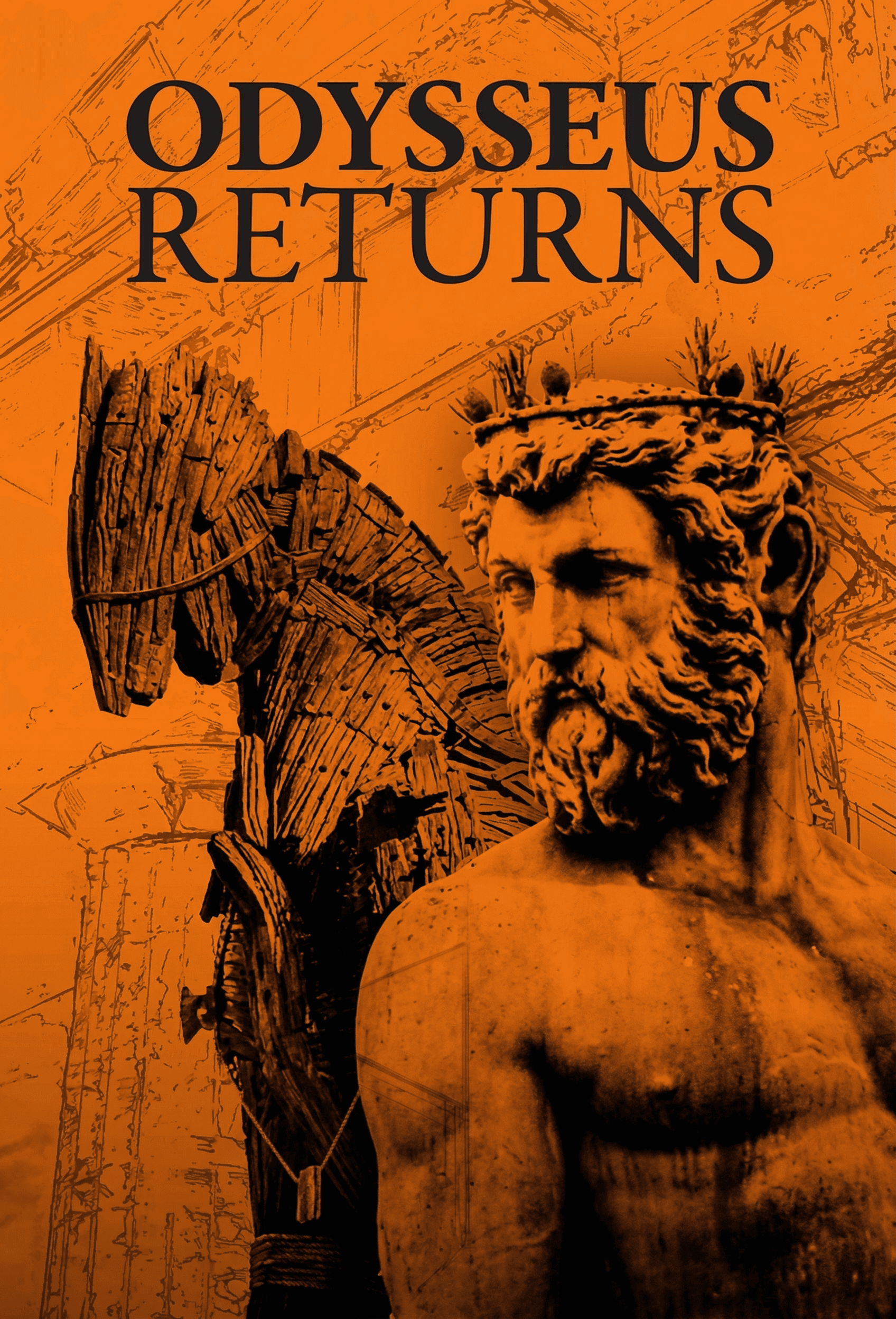
Watch Odysseus Returns

Watch the Morgan Freeman produced documentary, Odysseus Returns.

Makis & Hettie

Homeric Ithaca Blog

Read More

Follow The Blog

Read the latest research, field notes, and updates from Makis Metaxas and Henriette Metaxas-Putnam Cramer.

Support

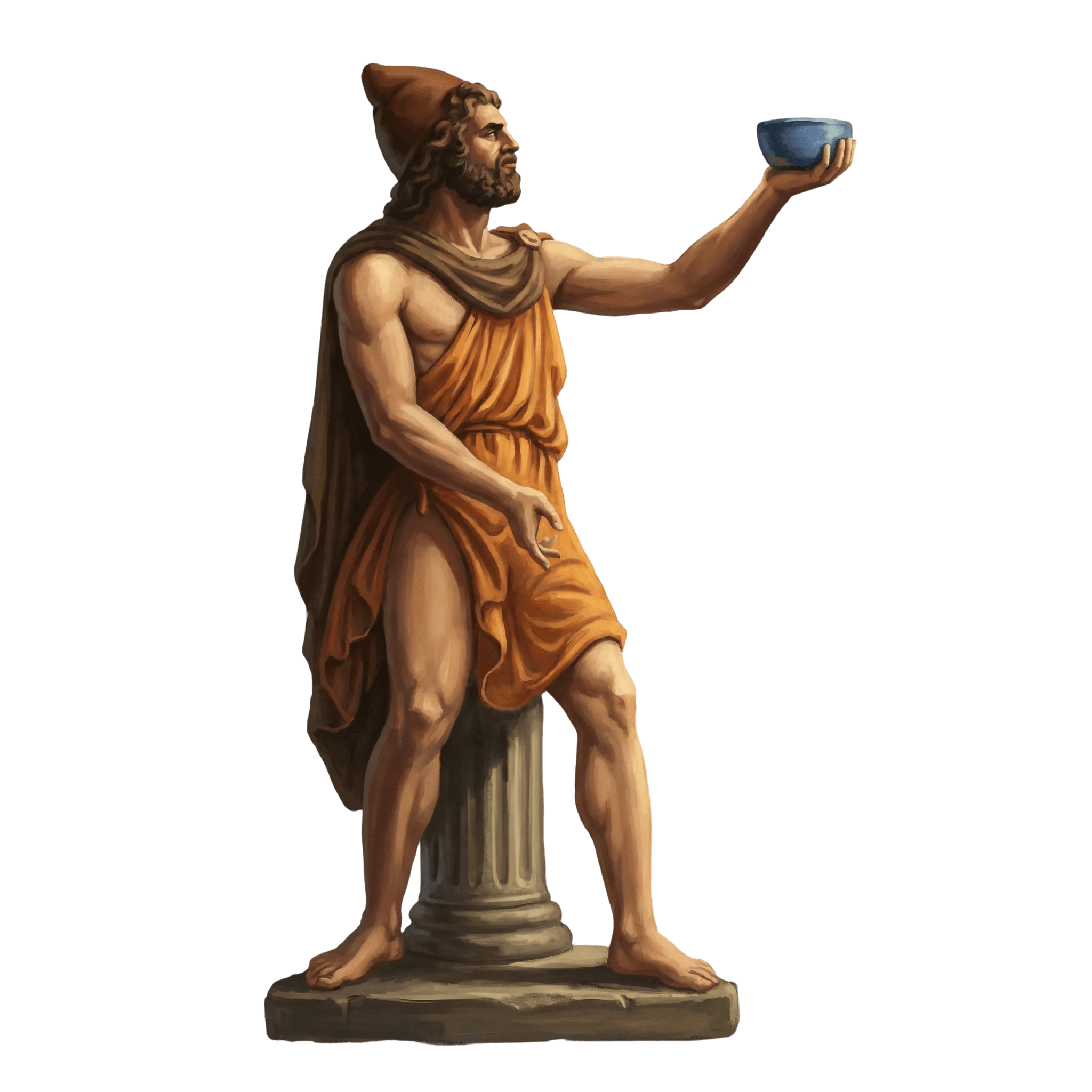
Support the Website

Help keep this research free and accessible. Your contribution covers hosting and keeps the project online.

English